
Zara Meier · 13 September 2026
Navigating Subtle Shifts in Link Equity Flow During Platform Transitions
Platform transitions often trigger subtle changes in how link equity distributes across domains and pages, with data from multiple industry reports indicating that even minor URL restructurings can redirect authority flows in unexpected directions, and observers note these patterns become especially visible when content management systems undergo major overhauls while maintaining the same root domain.
Understanding Link Equity Dynamics in Migrations
Link equity represents the value passed through hyperlinks, and during platform changes this value can redistribute based on redirect chains, internal linking adjustments, and crawl frequency variations, according to research compiled by the Search Engine Marketing Professional Organization, while those who monitor large-scale migrations frequently observe that authority concentrates more heavily on pages with updated canonical tags after the switch completes.
Studies from academic institutions in Canada have tracked equity dilution when platforms introduce new subdirectories without corresponding 301 redirects, and figures reveal that sites losing more than 15 percent of prior link value often experience slower recovery in organic rankings over subsequent quarters, yet recovery accelerates when teams audit backlink profiles before the transition begins.
Key Factors Influencing Equity Redistribution
Redirect implementation stands out as a primary driver, since temporary 302 codes preserve less equity than permanent 301s during the handoff, and experts have documented cases where platforms using JavaScript-based navigation inadvertently blocked crawler access to equity-bearing pages, resulting in fragmented authority signals that took months to realign. Internal link structures also shift when platforms adopt new templates, because navigation menus and footer links change, and data shows these alterations can concentrate equity on hub pages while starving deeper content sections unless teams manually audit and restore pathways.
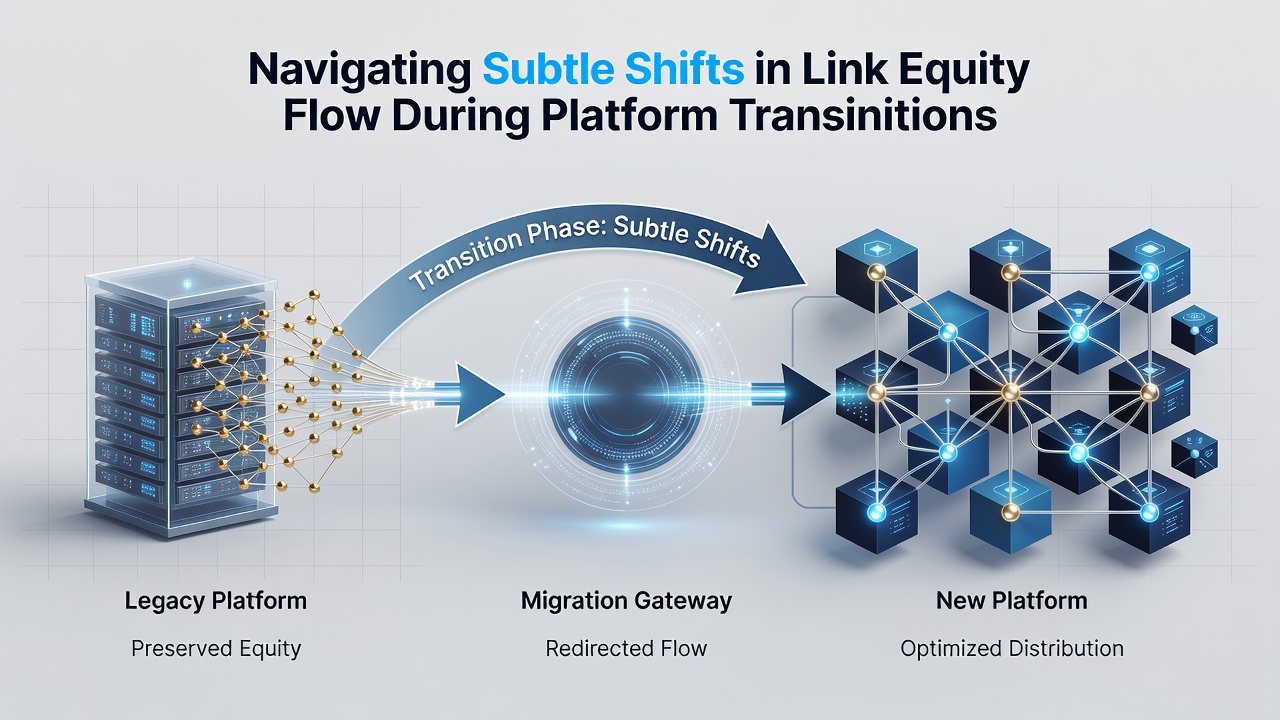
September 2026 brought updated crawler behavior documentation from multiple sources that highlighted how certain platforms now handle hreflang tags differently, and this adjustment altered equity distribution for multinational sites by routing signals through language-specific versions rather than defaulting to the root domain, while researchers discovered that sites failing to update these tags experienced measurable authority leakage across regional versions.
Monitoring and Adjustment Techniques
Teams typically begin by mapping pre-migration link profiles against post-migration structures using tools that track referral paths, and this process uncovers instances where external links point to outdated URLs that no longer resolve efficiently, according to reports issued by the Australian Competition and Consumer Commission on digital infrastructure shifts. Regular crawl budget analysis helps identify whether new platform architectures consume more resources, because heavier JavaScript rendering can slow equity flow to indexable pages, and those monitoring such metrics often adjust server configurations to restore previous crawl rates within the first 30 days after launch.
Case examples from European research institutions demonstrate that sites employing phased migrations, where sections move incrementally rather than all at once, maintain steadier equity levels, since partial transitions allow teams to correct redirect issues before they compound across the entire domain, whereas full cutovers without staged testing frequently produce temporary equity drops that require several months of internal linking revisions to reverse.
Conclusion
Platform transitions continue to reshape link equity patterns through technical and structural changes that demand proactive mapping and ongoing audits, and organizations that integrate these practices report more consistent authority retention across their digital properties, with evidence from varied geographic sources confirming that attention to redirect types, canonical settings, and crawl behavior yields measurable stability in how value flows from external links to target content.